
S03 Engineering and maintenance
Solar energy
Solar power engineered from your actual consumption, and kept performing through a maintenance relationship.
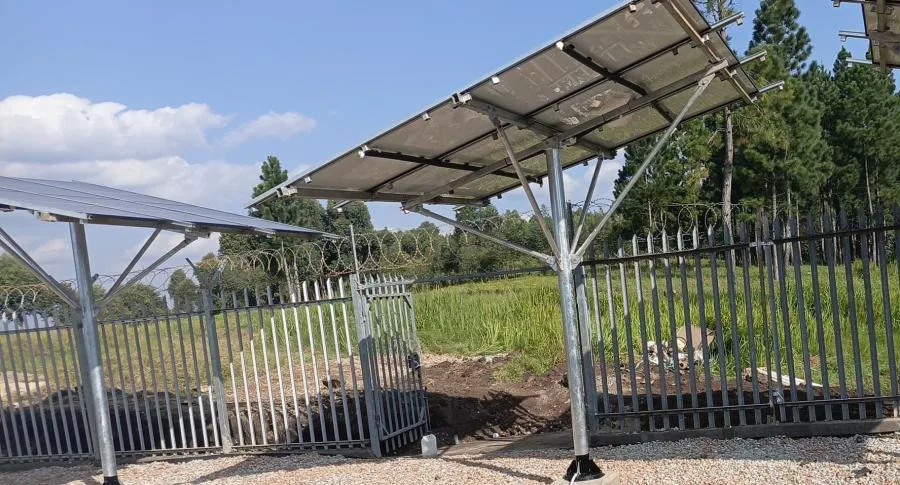
Ontrack designs, installs, repairs and maintains solar energy systems for institutions, industries, schools, hospitals and large commercial facilities.
Every design starts from the site’s consumption data and electricity bills. Where solar and the grid work together in a hybrid system, solar carries the daytime load and the grid covers the night, which reduces the battery capacity a site needs.
A service relationship, not just an installation.
From Ontrack’s solar energy service description
System design
Three ways to configure a solar system
- S1Assessment and sizingSite assessment, load study and system sizing from consumption data.
- S2System designGrid-tied, hybrid and off-grid designs matched to the site.
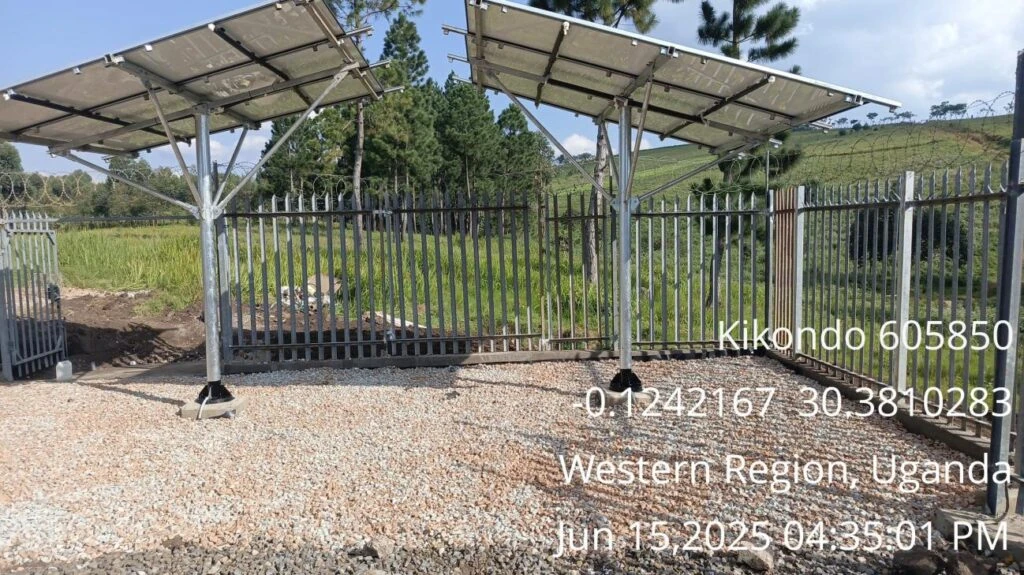
- S3Array installationRoof-mounted and ground-mounted arrays.
- S4Storage and backupBattery storage sized to the backup the site actually needs.
- S5InvertersSupply, replacement and commissioning.
- S6Monitoring and maintenanceServicing and performance maintenance, including revival of underperforming systems.
Solar carries the daytime load and the grid covers the night, which reduces the battery capacity needed.
Process
Engineered from consumption data
- 01MeasureConsumption data and recent electricity bills.
- 02SizeLoad calculation and system design for the site.
- 03InstallArray, inverters and storage installed and commissioned.
- 04Hand overDocumentation, metering and written warranties.
- 05MaintainScheduled checkups, performance reporting and a named technician.
Repair and revival
Underperforming systems, assessed and revived
- S5InvertersSupply, replacement and commissioning.
- S6Monitoring and maintenanceServicing and performance maintenance, including revival of underperforming systems.
Solar contact, Operations Director0778 722 577
Where it applies
Sites with high daytime demand
- Schools and universitiesDaytime loads that match solar generation, with backup for boarding facilities.
- Hospitals and health centresLower running costs, with storage where backup is critical.
- Factories and processing plantsLarge daytime consumption and high electricity bills.
- Hotels and commercial buildingsReducing one of the largest operating costs.
- Telecom sitesOff-grid and hybrid power for remote equipment.
Projects
Solar delivered with power and cooling
Electrical, cooling and solar installation
- Client
- Makerere University Center for Health and Population Research
- Scope
- Supply and installation of electrical, air conditioning and solar systems
- Location
- Makerere University, Kampala
- Status
- Completed
Related
Complementary services
Backup power from the catalogue
Enquiry
Send recent electricity bills for a solar assessment.
Or call +256 776 112454 or speak to Harold Tumusiime on 0778 722 577.
- Should I choose grid-tied, hybrid or off-grid solar?
- Grid-tied solar cuts your power bill but switches off during a power cut. Hybrid adds batteries, so it saves money and keeps power on. Off-grid runs entirely on solar and batteries, for sites with no reliable grid. Most institutions with frequent outages choose hybrid.
- How big a solar system do I need?
- Sizing starts from what you use, not from the roof. An engineer looks at your power bills or measures the load, then decides which equipment must run on solar and for how many hours. Bring recent electricity bills and a list of the equipment you want kept on.
- Lithium or lead-acid batteries for solar?
- Lithium batteries cost more at the start but usually last much longer, can be used more deeply and need little maintenance. Lead-acid is cheaper to buy but wears out sooner, especially if drained often. Battery capacity is sized to the hours of backup you actually need.
- Does solar work at night or on cloudy days?
- Panels produce less on cloudy days and nothing at night. Batteries carry the load after dark, and a hybrid system falls back to the grid or a generator when the batteries run low.
- Why is my solar system not performing?
- Common causes are dirty or shaded panels, ageing batteries, loose connections or an inverter fault. Adding new appliances to a system sized for less is another. An inspection finds which one before anything is replaced.
Content source: https://www.ontracktechltd.com/service/solar-energy-uganda/ · To verify: Client and project for the June 2025 solar field photographs are not published. Confirm that Harold Tumusiime remains the solar contact on 0778 722 577.